Digital Foundry analyzes GTA 6 graphics and the PS5 Pro differences
A new technical breakdown walks through the visual achievements of Rockstar's latest release and highlights the divide over its frame rate.
A sprawling simulation
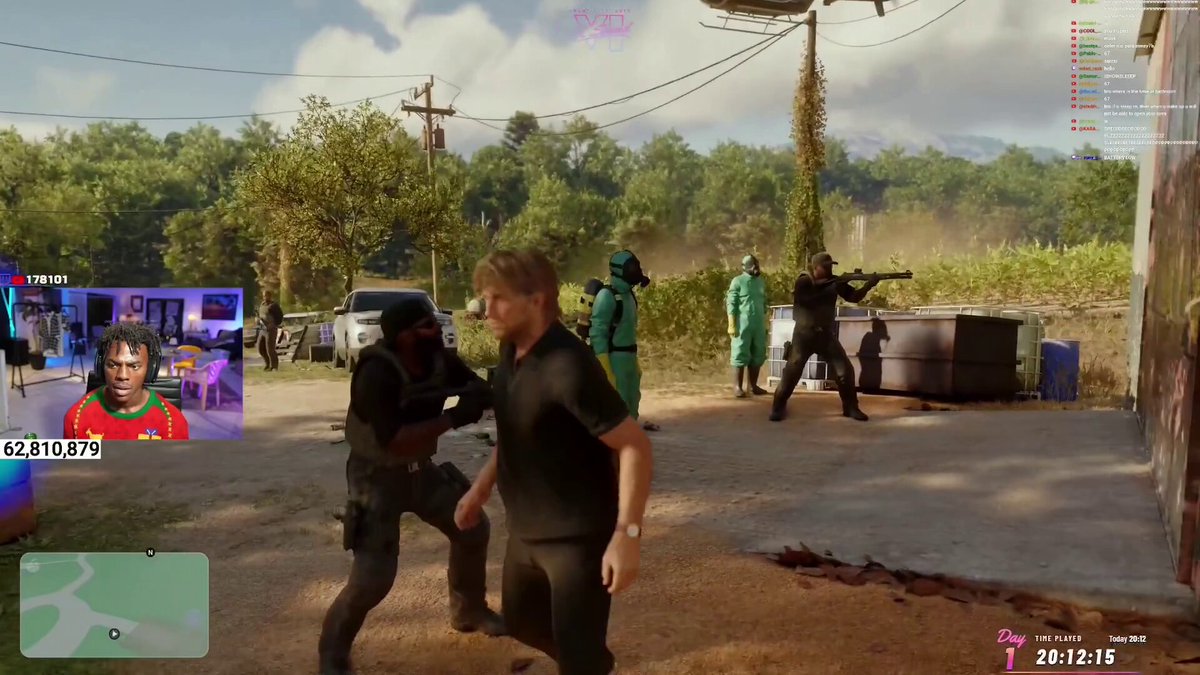
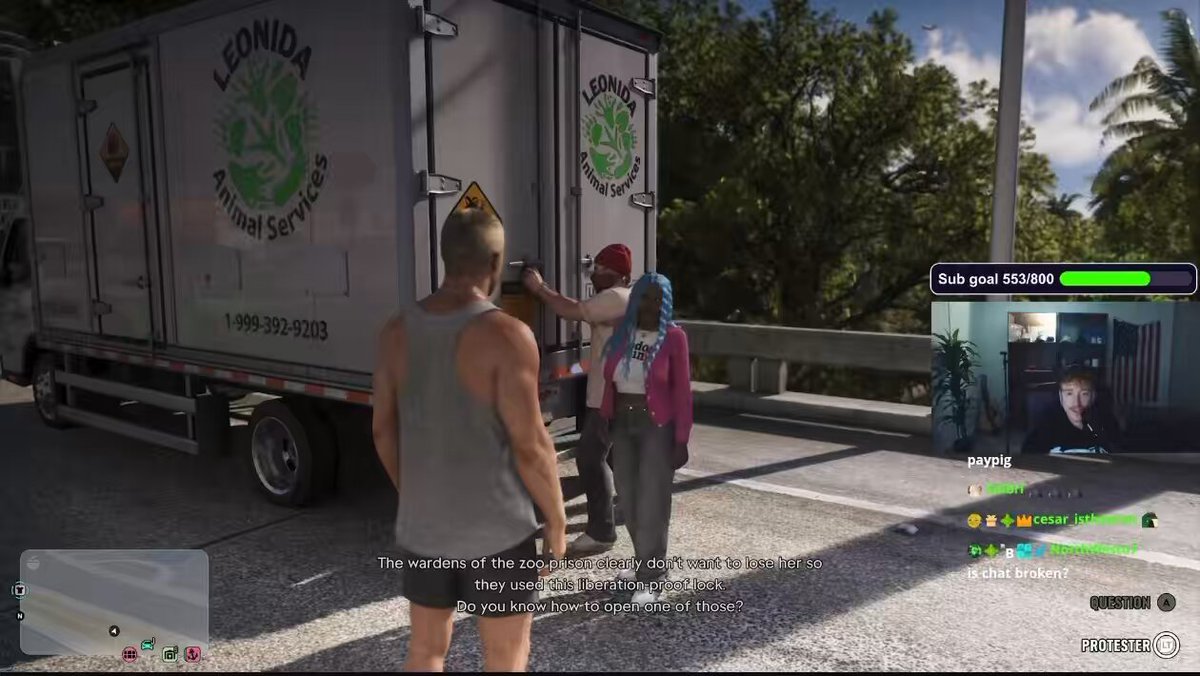
The video opens with a small plane soaring over the Leonida coast, eventually cutting to street-level views of downtown. Digital Foundry calls the final release the most detailed urban environment they have analyzed to date. At the 0:15 mark, the footage follows Jason walking down a sunlit street, highlighting the ray-traced global illumination and reflections that come standard on the base consoles.
The analysis points out that these lighting effects hold up even on rough, uneven surfaces, grounding the characters in the scene. Later, as a helicopter flies over the city skyline at 0:53, the volumetric clouds and the sheer verticality of the skyscrapers highlight the massive scale of the world simulation.
The PS5 Pro advantage
Around the 1:05 mark, the video shifts to a direct comparison between the base PlayStation 5 and the PlayStation 5 Pro. A close-up of Jason drinking a carton of milk in a kitchen demonstrates the Pro's PSSR technology, which reconstructs the image to convincingly pass for native 4K. The real hardware separator is the inclusion of ray-traced shadows on the Pro.
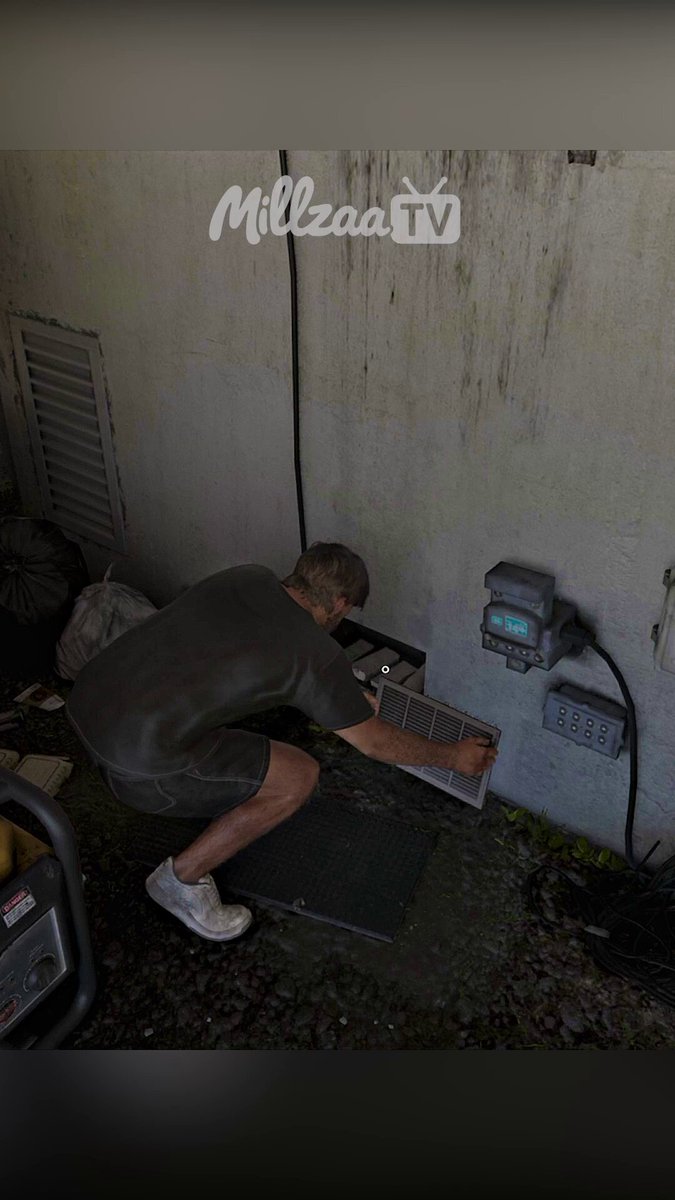
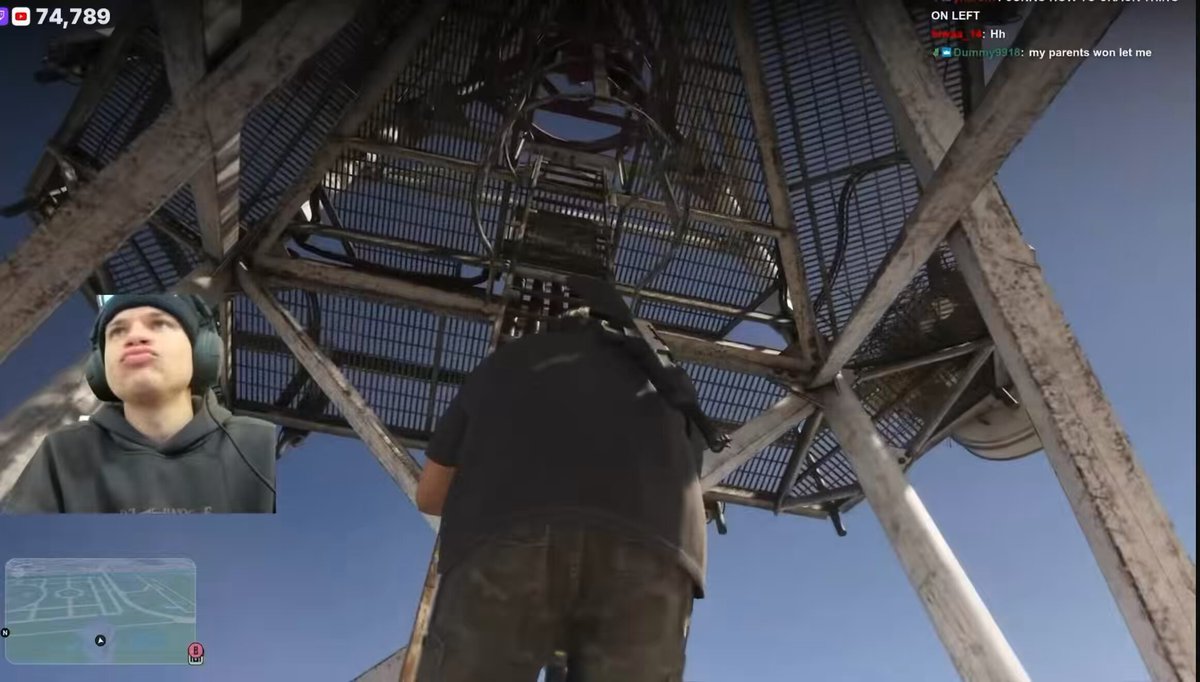
At 0:26, an early shot of Jason climbing a ladder shows how these ray-traced shadows interact accurately with the wall behind him. Later side-by-side shots of a refrigerator and a gun store wall (1:51) reveal standard shadow map chunkiness on the base console, which the Pro completely eliminates for a softer, precise look across the board.
The performance debate
As a player speeds down the highway on a dirt bike at night (2:01), the narrator addresses the game's 30 frames per second target. This specific design choice has caused a noticeable split in the player base. One side points to the dense world simulation as justification, arguing the graphical leap makes previous generation titles look entirely dated.
The opposing side is highly critical of the performance cost. Players focused on responsiveness have pointed to the roughly 180ms input lag inherited from the engine's past iterations, arguing that chasing a hyper-realistic art style sacrifices smooth playability on standard hardware during heavy action sequences.
Balancing realism and fun
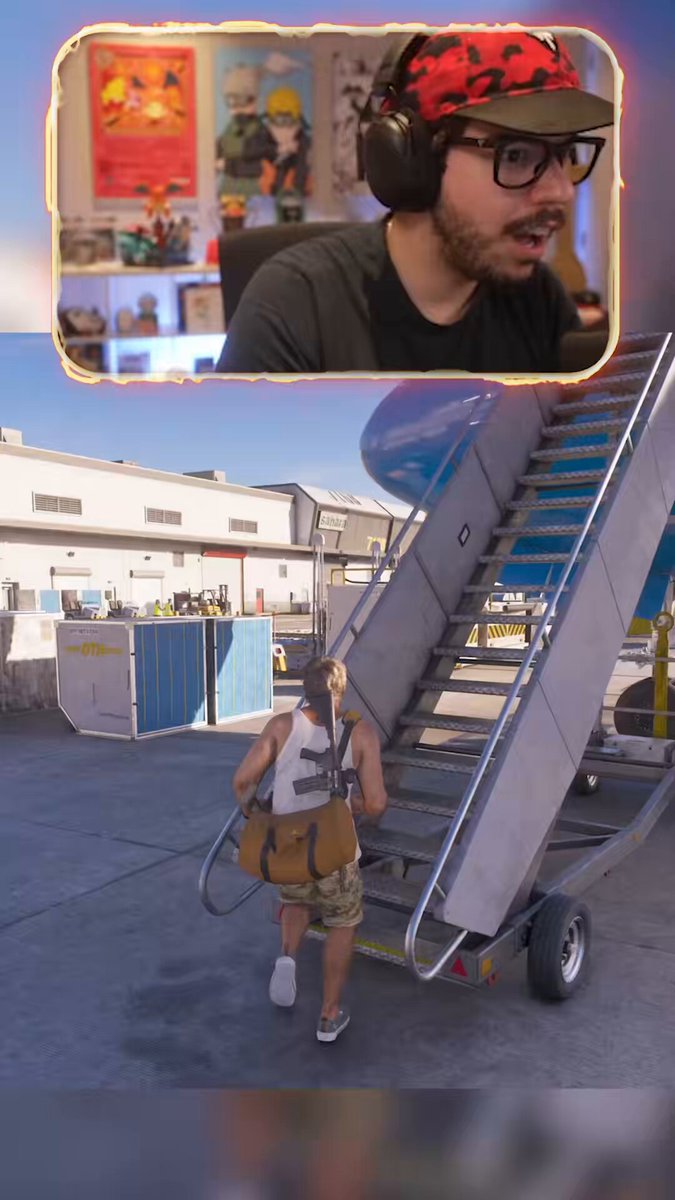
The footage concludes with a string of chaotic gameplay moments, including players riding dirt bikes through an indoor mall at 2:24 and a heavy police shootout from the back of a moving van at 2:33. Digital Foundry states that the game successfully blends the heavy physics of older entries with modern life simulation features.
A final daytime police chase at 2:41 shows how well the vehicle models and emergency lights sit in the natural environment. While the 30fps cap and input delay remain valid frustrations for those wanting a highly responsive shooter experience, the resulting world density makes the performance trade-off a logical choice for the current console generation.